Peak Platform: The Moment Your Favorite Tech Product Started Getting Worse on Purpose
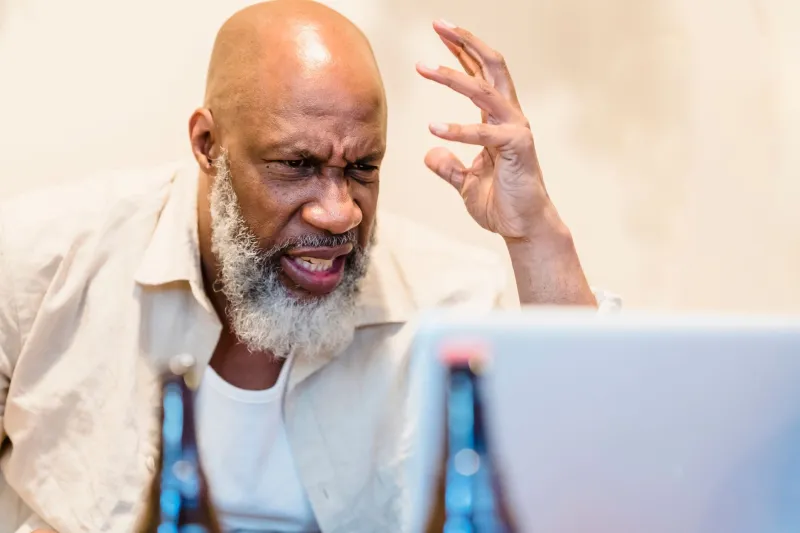
There's a term floating around tech circles that keeps gaining traction the more you think about it: enshittification. Coined by writer Cory Doctorow, it describes the predictable arc of a tech platform — first it's great for users, then it tilts toward business customers, and finally it squeezes everyone dry before collapsing under its own weight. It's a funny word for a deeply unfunny pattern. And right now, we're watching it happen in real time across some of the biggest platforms in the world.
The question worth asking isn't whether your favorite app has gotten worse. It almost certainly has. The real question is why — and whether the people running these companies even had a choice.
The Evidence Is Kind of Overwhelming
Let's start with Google Search, because nothing illustrates the slide better. In the early 2000s, Google Search was practically magical. You typed a question, you got an answer. Simple. Fast. Reliable. Today? You type a question and wade through four ads, a featured snippet that confidently gives you wrong information, a "People Also Ask" accordion that expands into infinity, and then — somewhere below the fold — maybe an actual result.
A study from Leipzig University in 2024 found that search engine results pages have become measurably more cluttered with low-quality, SEO-optimized content over the past decade, and Google's own algorithmic choices have accelerated that trend. The company's response has been to add more AI-generated summaries to the top of results — which, depending on who you ask, either helps or makes things dramatically worse.
Then there's X, formerly Twitter. Whatever you think of Elon Musk's politics, the platform's product quality has objectively deteriorated since his acquisition. Verification became a paid subscription. Algorithmic reach was tied to paid tiers. Third-party apps were killed off. The API — once open enough to spawn an entire ecosystem of tools and clients — was locked behind pricing that effectively destroyed that ecosystem overnight. Monthly active user figures have been disputed. Advertisers left in waves. The product that once defined real-time public conversation now feels like a chaotic yard sale.
Reddit's IPO-era transformation is equally instructive. The API pricing changes that triggered the 2023 moderator blackout weren't just a business decision — they were a signal that Reddit was done treating its community as a partner and ready to start treating it as inventory. The platform that built its entire value on volunteer moderators and organic community suddenly needed to monetize that labor without compensating the people who created it.
So Is This Intentional?
Here's where it gets complicated. The cynical read is that these companies are deliberately degrading their products to extract short-term revenue before users wise up and leave. There's some truth to that — particularly when you look at dark patterns in UX design, the strategic friction added to cancellation flows, or the way free features quietly migrate behind paywalls.
But the more honest answer is messier. Most of these platforms aren't breaking their products out of malice. They're breaking them because their entire financial architecture was built on a foundation that only works when you're growing. Venture capital demands 10x returns. Public markets demand quarterly growth. When a platform reaches saturation — when nearly everyone who's going to sign up already has — the only levers left are monetization and cost-cutting. Both of those levers, pulled hard enough, make the product worse.
Twitter under Jack Dorsey wasn't a great business. It had hundreds of millions of users and couldn't figure out how to make real money off them. The pressure to fix that was always going to produce something ugly. Whether that ugliness arrived via Musk or some other owner is almost beside the point.
The Growth-at-All-Costs Trap
Silicon Valley spent about fifteen years building companies on a specific playbook: acquire users at a loss, grow as fast as possible, figure out monetization later. That playbook worked spectacularly during a period of near-zero interest rates and abundant venture capital. It made a lot of founders and early investors incredibly wealthy.
What it didn't do was build sustainable businesses. It built platforms that were structurally dependent on perpetual growth — and when that growth slowed or stopped, the only path forward was to squeeze harder. Squeeze users with more ads. Squeeze developers with API fees. Squeeze creators with algorithm changes that prioritize paid promotion over organic reach.
The tragedy is that some of these products genuinely were great. Google Search at its peak was one of the most useful tools ever built. Twitter at its best was a genuinely novel way for information to move through society. Reddit communities built real knowledge bases around thousands of niche topics. These weren't accidents — they were the result of talented people building things users actually needed.
Are We Near the Bottom?
The optimistic case is that we're close to a reckoning. Users are getting savvier. Ad-blocking adoption continues to rise. Mastodon, Bluesky, and other decentralized alternatives are slowly building audiences, even if they haven't yet reached critical mass. There's a growing constituency of people who are genuinely fed up with paying more for less.
The pessimistic case is that network effects are sticky as hell. You don't leave Twitter because your entire professional network is still there. You don't abandon Google because the alternatives are genuinely worse in some categories. Enshittification works, in part, because the cost of leaving is high enough that most people just grumble and stay.
What's clear is that the current moment is forcing a long-overdue conversation about what tech platforms actually owe their users — and whether a business model built on infinite growth was ever going to end any other way. The companies that survive the next decade probably won't be the ones that squeezed hardest. They'll be the ones that figured out how to build something worth paying for before they ran out of goodwill to burn.
That's a harder problem than it sounds. But at this point, it's the only one that matters.