Your Old Flagship Phone Is Probably Fine — The Upgrade Cycle Is Lying to You
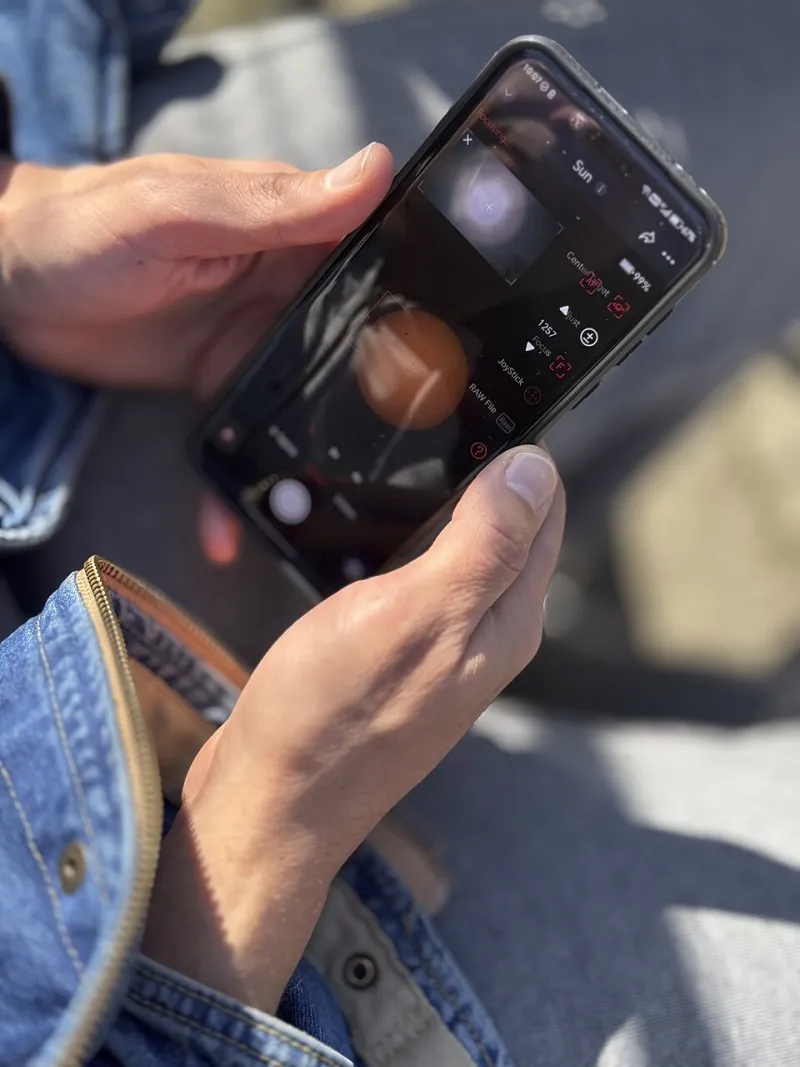
Photo: Shixart1985, CC BY 2.0, via Wikimedia Commons
Let's get something out of the way upfront: this is an opinion piece, and we're going to own that. We've been watching the smartphone industry for a long time, and we've grown increasingly frustrated with the gap between how manufacturers talk about annual upgrades and what the data actually shows. So consider this our honest, unfiltered take — backed by real numbers, but not shy about calling things what they are.
If you bought a flagship Android or iPhone two years ago, there's a very good chance your phone can handle everything you're going to throw at it today. And there's an even better chance the new model your carrier is nudging you toward doesn't offer enough of a real-world difference to justify the price tag. We're talking about a $800–$1,200 purchase here. That deserves some honest scrutiny.
The Benchmark Game Is Rigged (Sort Of)
Every fall, the new iPhone and the new Galaxy land on review desks, and the benchmark scores go up. Geekbench numbers climb. GPU performance metrics improve. The charts look impressive in press releases and YouTube thumbnails.
Here's the thing about benchmarks: they measure what they're designed to measure, not necessarily what you do with your phone. A 15% improvement in single-core CPU performance sounds meaningful until you realize that the task you're actually bottlenecked on — loading an app, rendering a video export, processing a photo — was already completing in under two seconds on your old chip. Making that two seconds into 1.7 seconds is not a life-changing upgrade.
There's also a less-discussed issue with how some manufacturers have handled benchmark optimization. Several major Android OEMs have been caught — some more than once — configuring their devices to detect benchmark apps and boost performance specifically during those tests, performance that doesn't carry over into everyday use. Apple has been cleaner on this front, but the broader point stands: benchmark scores and lived experience are not the same thing.
What Actually Gets Worse Over Time (And What Doesn't)
Let's be fair to the upgrade argument. There are legitimate reasons a two-year-old phone might feel slower, and not all of them are about the hardware.
Software bloat is real. iOS and Android both add overhead with each major version. Background processes multiply. App developers optimize for current hardware, which can mean older chips work harder for the same result. This is the most honest case for upgrading — not that the hardware is suddenly bad, but that the software ecosystem drifts away from it.
Battery degradation is also real and worth taking seriously. After two years of daily charging, most smartphone batteries are operating at 80–85% of their original capacity. That's noticeable. But here's the thing: battery replacement at an Apple Store or a reputable third-party shop runs $50–$100. That's not a reason to buy a new $1,000 phone. That's a reason to get a battery replacement.
Camera hardware is the one area where generational upgrades genuinely matter — but even here, the gains are front-loaded. The jump from a 2019 flagship camera to a 2021 camera was significant. The jump from a 2022 camera to a 2024 camera? Meaningful in controlled tests, nearly invisible in the photos most people actually take and share.
The Carrier Playbook
American carriers are extraordinarily good at making upgrades feel urgent and affordable. Trade-in deals, installment plans, limited-time promotions — the machine is designed to get you on a 12–24 month replacement cycle. And it works. The US has one of the highest smartphone upgrade frequencies in the world.
But run the actual math on a carrier installment plan and what you're really looking at is paying $35–$50/month for a phone that, functionally, does the same things your current phone does. Over 24 months, that's $840–$1,200 for marginal improvements in benchmark scores and a slightly better selfie camera in low light.
We're not saying never upgrade. We're saying the urgency is manufactured, and you should make the decision on your terms, not your carrier's promotional calendar.
Software Support Is the Real Deadline
If there's a legitimate, non-negotiable reason to upgrade, it's security. When a phone stops receiving OS updates and security patches, it becomes a liability — especially if you use it for banking, work email, or anything sensitive. This is the actual end-of-life for a device, and it's worth paying attention to.
Apple supports iPhones for roughly 5–6 years. An iPhone 12, released in 2020, is still getting iOS updates in 2024. That's a genuinely long runway. Google's Pixel line now promises 7 years of updates for newer models. Samsung has improved significantly, offering 4 years of OS updates and 5 years of security patches on its flagship Galaxy S series.
This is your real upgrade timeline. Not "the new one came out" and not "my carrier is offering a trade-in deal." The question is: is your phone still getting security updates? If yes, you're probably fine.
An Honest Framework for Deciding When to Upgrade
Here's how we'd actually think about it:
Upgrade if: Your phone is no longer receiving security updates. Your battery can't hold a charge through a full day even after a replacement. There's a specific hardware feature you need — like a better telephoto lens for a hobby — that your current phone genuinely can't deliver. Or your phone is physically damaged in a way that makes it unreliable.
Don't upgrade if: The new model benchmarks higher but you can't point to a specific thing you can't do today. Your carrier is running a promotion and it "feels like a good deal." The camera is marginally better in side-by-side comparisons you'd never actually do in real life. Or you just want something new — which is valid, but be honest with yourself about what you're paying for.
The smartphone industry is extraordinary at creating desire for products that don't represent meaningful improvements in daily life. That's not a conspiracy — it's good marketing. But as the people who actually test this stuff, we think you deserve a clearer picture. Your two-year-old flagship is, in all likelihood, still a very good phone. Treat it like one.