You Cut the Cord and Still Somehow Owe $180 a Month: The Streaming Trap Nobody Warned You About
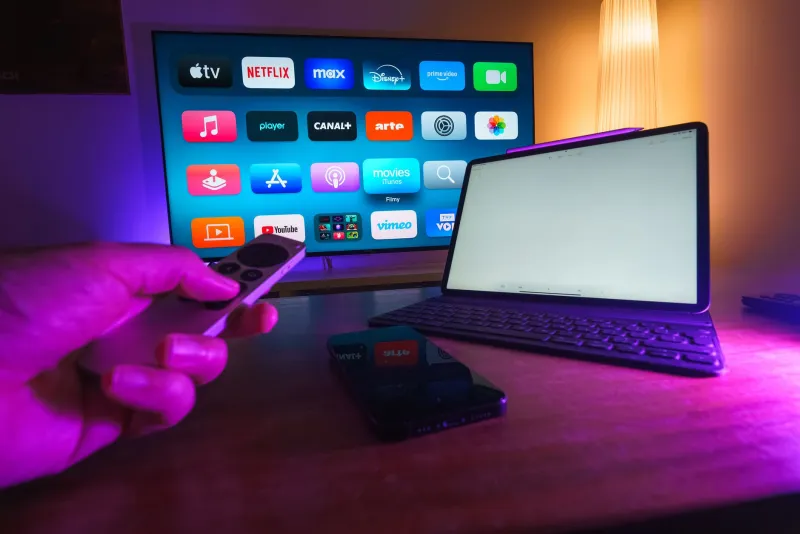
Remember the promise? Ditch your cable provider, grab Netflix, and watch whatever you want for ten bucks a month. Simple. Clean. Liberating. That pitch worked spectacularly well — so well that the entertainment industry decided to replicate the cable model almost beat for beat, just with better UI and no technician visits.
Fast forward to 2025 and the average American household subscribing to multiple streaming platforms is spending somewhere between $100 and $200 per month on digital entertainment. That's not a typo. For context, the average cable bill before the great cord-cutting exodus hovered around $110 to $130. Congratulations — many of us have successfully reinvented cable, except now we have to manage six different apps and remember six different passwords.
The Fragmentation Problem Is the Product
Here's the thing that's easy to miss: this wasn't an accident. When Netflix started dominating, every major media company with a content library looked at those subscriber numbers and made a decision. Disney pulled its content and launched Disney+. NBCUniversal built Peacock. Warner Bros. Discovery assembled Max. Paramount launched Paramount+. Apple and Amazon threw their hats in. Each one of these services launched with a compelling enough original lineup — or an exclusive catalog — to justify that monthly charge on its own.
The result is a deliberately fractured content landscape. Want to watch The Bear? That's Hulu. The Last of Us? Max. Stranger Things? Netflix. Ted Lasso? Apple TV+. Yellowstone? Paramount+. No single service has everything, and that's by design. The fragmentation isn't a side effect of competition — it's the competitive strategy. Your FOMO is the product.
And unlike cable, where one company charged you one bill for access to everything, streaming services have mastered the art of the incremental add. Each one feels reasonable in isolation. $7.99 here. $13.99 there. $15.99 for the ad-free tier because, yes, the cheaper tiers now come with ads — another page ripped directly from the cable playbook.
The Psychology of "Just One More"
Streaming companies are extraordinarily good at timing their value proposition. A new season of a beloved show drops, and suddenly canceling feels like a bad idea. You subscribe for one month to binge it, and then the next big thing drops two weeks later. Before you know it, that "temporary" subscription has been on your credit card statement for fourteen months.
This is what behavioral economists call the "sunk cost escalation" trap, and streaming platforms have optimized every part of their product around it. Autoplay, personalized recommendations, cliffhanger episode structures, simultaneous season drops — all of it is engineered to keep you engaged just long enough that canceling feels like losing something you already paid for.
There's also the social layer. Streaming has become a shared cultural experience. When everyone at the office is talking about a show on a platform you don't subscribe to, the $14 monthly fee suddenly feels like the price of being part of the conversation. That's not a bug in the system. That's the system working exactly as intended.
Running the Real Numbers
Let's do the math that the streaming companies would prefer you skip. A fairly typical "we want to watch most things" household in the US might carry:
- Netflix Standard with ads: $7.99/month
- Hulu (no ads): $17.99/month
- Disney+ (no ads): $13.99/month
- Max (with ads): $9.99/month
- Paramount+: $7.99/month
- Apple TV+: $9.99/month
- Amazon Prime Video (bundled with Prime at ~$14.99/month)
That's roughly $82 a month before you've even thought about Peacock, ESPN+, or any of the niche add-ons that live inside these platforms. Bundle in a live TV streaming service like YouTube TV or Hulu Live for sports and local channels — both of which now run $72 to $82 per month on their own — and you've blown past your old cable bill without blinking.
How to Actually Escape (Or At Least Reduce the Damage)
The good news: you have more leverage than you think. The streaming market is getting genuinely nervous about churn — the industry term for subscribers who cancel — and many platforms are quietly becoming more flexible as a result.
Rotate, don't accumulate. This is the single most effective strategy for heavy streaming consumers. Pick two or three services at a time, binge what you want, cancel, and rotate to the next set. Most shows aren't going anywhere, and the content will be there when you come back. Set calendar reminders before your billing date so you don't forget to cancel.
Lean into bundles. Disney's bundle (Disney+, Hulu, and ESPN+) is legitimately a better deal than subscribing to each separately. Apple One bundles Apple TV+ with other Apple services. These aren't perfect, but they reduce per-service costs if you're already in those ecosystems.
Tolerate the ads — at least sometimes. The ad-supported tiers have gotten significantly better. Netflix's and Hulu's ad tiers now offer solid catalogs with a manageable ad load. Dropping to ad-supported across your subscriptions could save $20 to $40 a month with surprisingly little impact on the actual viewing experience.
Use your library. This sounds almost embarrassingly old-fashioned, but many US public library systems now offer Kanopy and Hoopla for free with a library card. Both have legitimate catalogs of films and documentaries that would otherwise cost you per-rental on Amazon or Apple.
Audit quarterly, not annually. Check your subscriptions every three months. Most people discover at least one service they completely forgot about. That's money sitting in a corporate account doing nothing for you.
The Bigger Picture
What's happening in streaming right now rhymes uncomfortably with what happened in cable twenty years ago. The industry is consolidating — Max absorbed Discovery content, Paramount and Skydance are merging — and as the competitive pressure eases, price discipline tends to follow. Subscribers who aren't paying attention will fund that consolidation one auto-renewed monthly charge at a time.
Cord-cutting was a genuinely good idea when it meant one or two services replacing a bloated cable bundle. That window has mostly closed. The question now isn't whether streaming is worth it — it's whether your specific combination of streaming services is worth what you're actually paying. For most households, the honest answer is probably not.
Get out a spreadsheet. It might be the most valuable fifteen minutes you spend this month.