How App Makers Hijacked Your Brain's Reward System — And What You Can Do About It
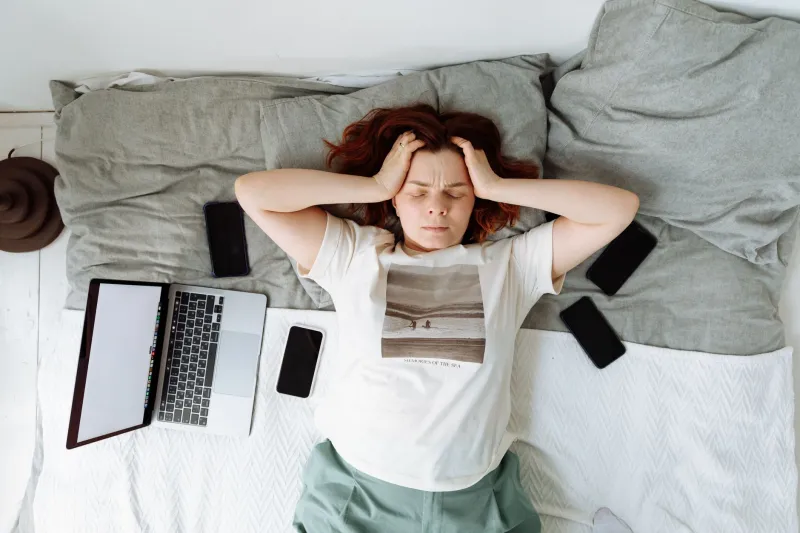
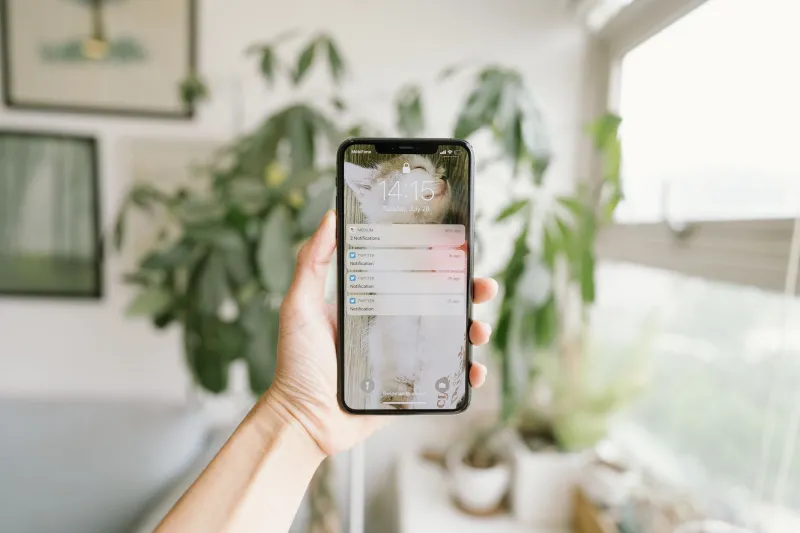
Picture this: You're finally in a flow state. Deep work, no distractions, the kind of focus that actually moves the needle. Then your phone lights up. A red badge. A vibration. A banner sliding across your screen like an uninvited houseguest. And just like that, the moment's gone.
This isn't an accident. Not even close.
The notification systems baked into your favorite apps aren't built for your convenience — they're engineered around your brain's vulnerabilities. And if you've ever felt like your phone is running your life instead of the other way around, there's a very specific reason for that.
The Science They Don't Put in the App Store Description
Here's the uncomfortable truth: app designers have been studying behavioral psychology for years, and they're pretty good at applying it. The core mechanic is something called variable reward scheduling — the same principle that makes slot machines so devastatingly effective. When you can't predict whether a notification will bring something exciting (a like, a message from someone you care about, a deal) or something mundane, your brain goes into a low-grade anticipation loop. You check. You refresh. You check again.
Dopamine — the neurotransmitter most people associate with pleasure — is actually more closely tied to anticipation than satisfaction. App developers know this. The ping isn't just an alert. It's a trigger designed to make you reach for your phone before your conscious brain has even decided to.
Researchers at the University of California, Irvine have found that it takes an average of 23 minutes to fully regain focus after an interruption. Multiply that by the dozens of notifications the average American receives daily, and you're looking at a workday that's been quietly dismantled from the inside.
Artificial Urgency Is a Feature, Not a Bug
Spend five minutes digging into the notification settings of any major social app and you'll find a masterclass in manufactured urgency. Alerts for things that happened hours ago, framed as if they're breaking news. "Someone viewed your profile" — sent at 11 PM. "You haven't checked in today" — from a fitness app that somehow sounds disappointed in you.
This is deliberate. App engagement metrics are directly tied to revenue, and a user who opens an app twelve times a day is worth more to an advertiser than one who opens it twice. The goal isn't to inform you — it's to create a habit loop where the notification is the cue, the app is the routine, and the variable reward keeps the cycle spinning.
Some apps take it even further. Streaks, countdown timers, badges that fill up and empty — these are all tools borrowed from game design, applied to productivity apps, social platforms, and even news readers. The message underneath all of it is the same: something is happening without you, and you need to check right now.
The Hidden Cost Nobody's Tallying
Beyond the productivity hit, there's a real mental health dimension here that's starting to get serious academic attention. Constant partial attention — the state of never being fully present because part of your brain is always monitoring for the next ping — is linked to elevated cortisol levels, reduced working memory, and increased anxiety. A 2023 study published in Computers in Human Behavior found that even the presence of a smartphone on a desk (not in use, just sitting there) reduced available cognitive capacity.
This isn't about being anti-technology. It's about recognizing that the default settings on your phone were configured by people whose incentives are fundamentally misaligned with your wellbeing. You opted in to an app. You didn't sign a contract handing over your attention in perpetuity.
Running Your Own Notification Audit
The good news: you actually have more control here than most people use. The bad news: reclaiming it requires intentional effort, because the default state is designed to keep you passive.
Start with a full audit. On iOS, go to Settings > Notifications and scroll through every single app. Ask yourself one question for each: Does this app need to interrupt me in real time? For most apps — games, shopping platforms, social media, news aggregators — the honest answer is no. Turn off banners and sounds. If you want to check them, you can do it on your own terms.
Android users have similar granular controls under Settings > Apps & Notifications, and newer versions let you flag certain apps as "silent" while still allowing others through.
Beyond the OS settings, here's a practical framework that actually works:
The Three-Tier System
- Tier 1 (Always On): Direct calls and texts from real humans in your life. That's it.
- Tier 2 (Scheduled): Email, news, social apps. Check these on your schedule — maybe twice a day — not whenever they feel like buzzing.
- Tier 3 (Off by Default): Everything else. Games, retail apps, random utilities. These don't need real-time access to your attention. Ever.
Also worth considering: iOS's Focus Modes and Android's Digital Wellbeing tools are genuinely useful if you actually configure them. Set a Work focus that only lets through calendar alerts and messages from specific contacts. Set a Sleep focus that silences everything except genuine emergencies. These tools exist — most people just never touch them.
The Bigger Picture
There's a growing conversation in tech circles about whether the notification paradigm needs a fundamental redesign. Some newer apps — particularly in the productivity space — are experimenting with asynchronous-first communication models where interruptions aren't the default. Tools like Basecamp have made "calm technology" part of their actual brand identity. It's a niche position right now, but it might be pointing at something.
For most of us, though, waiting for Silicon Valley to voluntarily rewire its engagement models is not a strategy. The apps aren't going to fix this on their own — their business models depend on your attention being fractured.
What you can do is stop treating your notification settings as something you set up once and forget. Revisit them regularly. Delete apps that don't earn their place on your home screen. And the next time an app asks permission to send you notifications, pause before you tap "Allow."
That single moment of hesitation might be the most valuable tech decision you make all week.
Your attention is finite. The apps competing for it are not. Knowing the difference is your edge.