Locked Out of Your Own Laptop: The Corporate War on Independent Repair
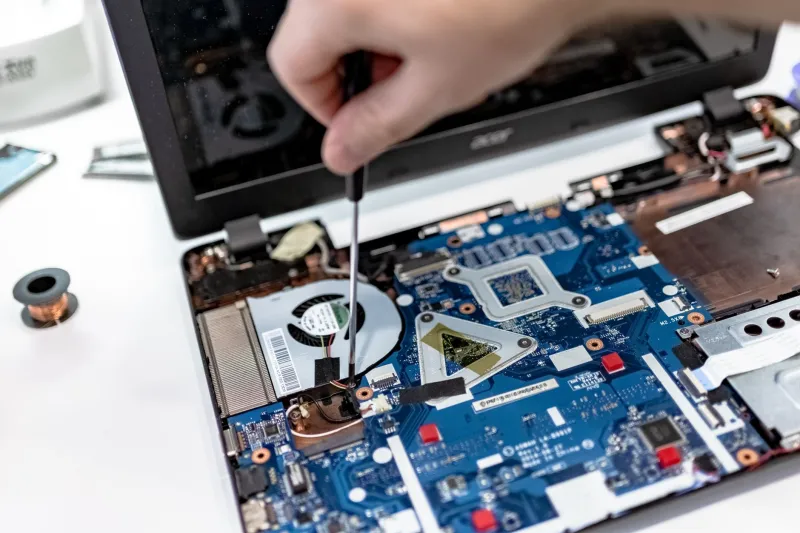
Imagine dropping your MacBook and cracking the screen. Nothing catastrophic — just a busted display. You look up a local repair shop, one that's been fixing computers in your neighborhood for a decade. They quote you $180. Apple's official repair channel quotes you $600. You go with the local shop, they order a replacement screen, swap it out — and your laptop boots up with a persistent warning message saying the display "cannot be verified." The repair worked. The laptop works. But Apple's software is telling you otherwise.
That's not a bug. That's a feature — and it's exactly the kind of friction Apple, Microsoft, and a handful of other major manufacturers have spent years engineering into their products.
The Invisible Lock Nobody Warned You About
Most consumers don't think about repairability when they buy a new device. Why would they? It works fine on day one. But buried inside modern MacBooks, Surface laptops, and a growing list of consumer electronics is a layer of software-enforced restrictions that effectively decide who is allowed to fix your stuff.
Apple pioneered what critics call "parts pairing" — a system where internal components are cryptographically tied to a specific device's serial number. Swap in a genuine Apple battery from another iPhone, and iOS may still flag it as unauthorized. The part is real. It works. But because it wasn't installed through Apple's proprietary cloud authentication system, your phone treats it like contraband.
Microsoft hasn't been innocent here either. Surface devices have historically ranked among the lowest-repairability products on the market, according to iFixit's teardown scores. Glued-in batteries, non-standard connectors, and a near-total absence of publicly available repair documentation made independent servicing a nightmare for years. The company has made some noise recently about improving repairability, but critics argue those gestures have been largely cosmetic.
The Economics of Keeping You Helpless
Here's the part that should make you genuinely angry: this isn't accidental. Independent repair shops represent a direct revenue threat to manufacturer service ecosystems. Apple's services segment — which includes AppleCare, repair revenue, and related income — generated over $85 billion in fiscal year 2023. That's real money, and a thriving independent repair market eats into it.
The playbook is straightforward. First, make devices physically difficult to open by using proprietary screws, excessive adhesive, and fragile ribbon cables positioned near entry points. Second, control the parts supply chain so that genuine components are either unavailable to third parties or prohibitively expensive. Third, use software locks to degrade the user experience after unauthorized repairs. Finally, wrap the whole thing in legal language — DMCA provisions, licensing agreements, and the occasional cease-and-desist — to scare off anyone who tries to work around the system.
Small repair shops across the country have felt this squeeze directly. Technicians who built careers fixing iPhones and MacBooks have watched their customer base erode as parts became harder to source and software flags made their work look shoddy even when it wasn't. Some have shut down entirely. Others have pivoted to older devices that predate the most aggressive pairing restrictions.
The Right-to-Repair Movement: Real Progress or Just Noise?
The good news is that this fight has moved out of niche tech forums and into actual legislation. As of 2024, several US states have passed or are actively advancing right-to-repair bills, with Minnesota and California leading the charge. The Federal Trade Commission has also signaled that it views anti-repair practices as a consumer protection issue, not just a quirky tech industry habit.
Apple, sensing which way the wind was blowing, launched its Self Service Repair program in 2022 with considerable fanfare. The reality? You can rent a 79-pound repair kit for $49, order official parts at prices that often rival or exceed third-party options, and follow documentation that assumes you already know what you're doing. It's technically available. It's practically inaccessible for most people.
Microsoft has made more credible moves, committing to improved repairability in future Surface designs and making some documentation available to independent shops. Whether those commitments translate into real-world change — or quietly fade once the regulatory pressure eases — remains to be seen.
What This Means for You Right Now
If you're a regular consumer in the US, the practical impact of all this is pretty simple: you're paying more than you should for repairs, and you have fewer choices than you deserve. A cracked iPhone screen that a competent independent tech could fix for $80 ends up costing $279 at the Apple Store because the alternative comes with software warnings and degraded Face ID performance.
Beyond the financial hit, there's a privacy dimension worth considering. Manufacturer-authorized repair channels mean your device — and everything on it — passes through official hands. For most people that's fine. But for anyone with sensitive data, the inability to use a trusted local technician without software penalties is a genuine problem.
The environmental angle is also hard to ignore. Devices that can't be repaired affordably end up in landfills faster. The EPA estimates that Americans generate millions of tons of e-waste annually, and a repair ecosystem that's been systematically dismantled doesn't help that number.
The Fight Isn't Over
The right-to-repair movement has more momentum now than at any point in its history. Legislative pressure is real, regulatory attention is growing, and consumer awareness — once nearly zero — is building. Companies that spent years counting on indifference are now having to at least appear responsive.
But legislation moves slowly, and corporate legal teams move fast. The parts pairing systems, the software locks, the documentation blackouts — these aren't going away without sustained pressure. Every state bill that passes matters. Every consumer who asks questions before buying matters.
Your device is yours. The idea that a corporation gets to decide who's qualified to fix it — and punish you with software if you choose someone else — is worth pushing back on. Hard.